Welding anti-adhesives

Our products

Our welding anti-adhesives

Our range of anti-adhesives for welding is designed to deliver high performance in industrial processes. Ideal solutions to improve quality and efficiency in welding operations.

Effective spatter protection
Easy application
Consistent performance over time

Welding Anti-Splatter

NO SIL M4 VEMA Chemical

NO SIL M4

Non-silicone welding anti-splatter. Synthetic product, non-silicone based. Specifically designed as an anti-splatter agent for welding. Excellent lubricating action, does not interfere with painting.

  • Synthetic non-silicone product
  • Anti-splatter agent for continuous wire welders
  • Excellent lubricating action - does not interfere with painting
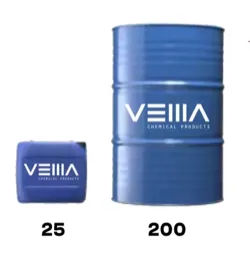
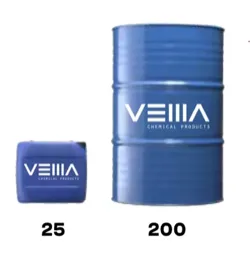
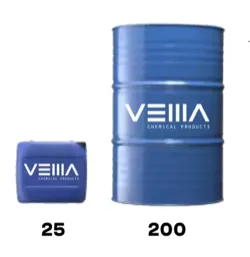
LIQ AER Formats: 25L 200L Scheda Tecnica PDF
SALDANET VEMA Chemical

SALDANET

Non-silicone ready-to-use anti-splatter for welding. Synthetic product, non-silicone based, anti-splatter for welding. Excellent lubricating action, does not dirty. Ready to use version.

  • Ready to use - non-silicone
  • Excellent lubricating action
  • Does not interfere with painting
LIQ AER Formats: 25L 200L
SALDANET EXTRA VEMA Chemical

SALDANET EXTRA

Anti-splatter for welding, odorless. Synthetic non-silicone product, anti-splatter action for welding. Remains odorless during use.

  • Odorless formula
  • Non-silicone product
  • Anti-splatter action for continuous wire welders
LIQ AER Formats: 25L
INOX SALD SPRAY VEMA Chemical

INOX SALD SPRAY

Non silicone welding anti-splatter for welding. Synthetic product with anti-splatter action for welding. Not flammable. Milky solution absolutely odorless.

  • Not flammable
  • High molecular weight
  • Guaranteed subsequent paintability
MOLIDAY LUBRICANT VEMA Chemical

MOLIDAY LUBRICANT

Molybdenum disulfide lubricating lacquer. High resistance lacquer resin. Forms a coating that lubricates and resists to dust and rubbing. Ideal as permanent lubricant for welding.

  • High resistance molybdenum disulfide lacquer
  • Forms a lubricating coating resistant to dust
  • Permanent lubricant and anti-splatter
AER
Issues

Common issues in welding

During welding processes, spatter and residues frequently form and deposit on surfaces, compromising work quality and requiring cleaning operations.

These issues can slow down production, increase operating costs and reduce the life of torches, nozzles and equipment.

Proper surface protection with specific anti-adhesives prevents spatter from sticking and significantly reduces maintenance time.

Benefits

Benefits of welding anti-adhesives

Using specific anti-adhesives prevents spatter adhesion, keeps surfaces clean and improves welding quality.

They also reduce maintenance time, protect torches and equipment, and increase the overall efficiency of the welding process.

They are essential for more precise, faster operations and for reducing the operating costs associated with post-welding cleaning.

Applications

Applications of anti-adhesives

Welding anti-adhesives are used in many industrial processes where surface protection and product quality are required:

  • MIG/MAG welding
  • TIG welding
  • Industrial metalworking
  • Steelwork and mechanical production
Definition

What are welding anti-adhesives

Specific formulations that create a protective barrier on surfaces, preventing welding spatter from sticking to metals, torches and equipment.

They ensure cleaner work, reduce post-welding maintenance and extend the useful life of the tools used.

Available in different formulations — spray, liquid, silicone-free — the choice depends on the type of processing, materials and production needs.

How to choose the right welding anti-adhesive

Choosing the most suitable welding anti-adhesive depends on several factors related to the type of welding, the materials involved and operating conditions. A correct selection improves work quality, reduces maintenance times and protects equipment.

Welding type
MIG, MAG, TIG or other welding techniques have specific requirements regarding surface protection and spatter management.
Materials and frequency
Type of materials processed (steel, stainless steel, aluminium) and frequency of use determine the most suitable formulation and the durability of the protective film.
Downstream processing
If the part is to be painted or treated downstream, silicone-free anti-adhesives are preferred to avoid contaminating residues.
Operating conditions
Working environment, temperature and application method (spray or liquid) influence the choice of the most effective formulation.

A careful evaluation of these factors makes it possible to identify the most effective welding anti-adhesive, optimising the process, reducing cleaning times and improving overall processing quality.

Technical support for anti-adhesives for welding

Contact us to receive personalised consultancy and optimise your production process.

Contact us